Toilet Repairs in Lutwyche
Toilet repairs in Lutwyche are usually cistern work: a fill valve that will not shut off, a washer letting water past, or a seal gone hard with age. Lutwyche Same Day Plumbing sorts all three, same-day where we can, and every job is done by a licensed plumber. We cover Lutwyche and the suburbs around it.
If we're late, $100 comes off your bill

- Licensed and InsuredEvery job done by a licensed plumber. QBCC No: 15024607
- Fixed Quote FirstFlat-rate pricing, agreed before any work starts
- Lifetime Labour WarrantyBacked by our Fix-It-or-It's-Free guarantee (T&Cs apply)
- $0 Call-Out FeesNo extra charge for nights, weekends or public holidays
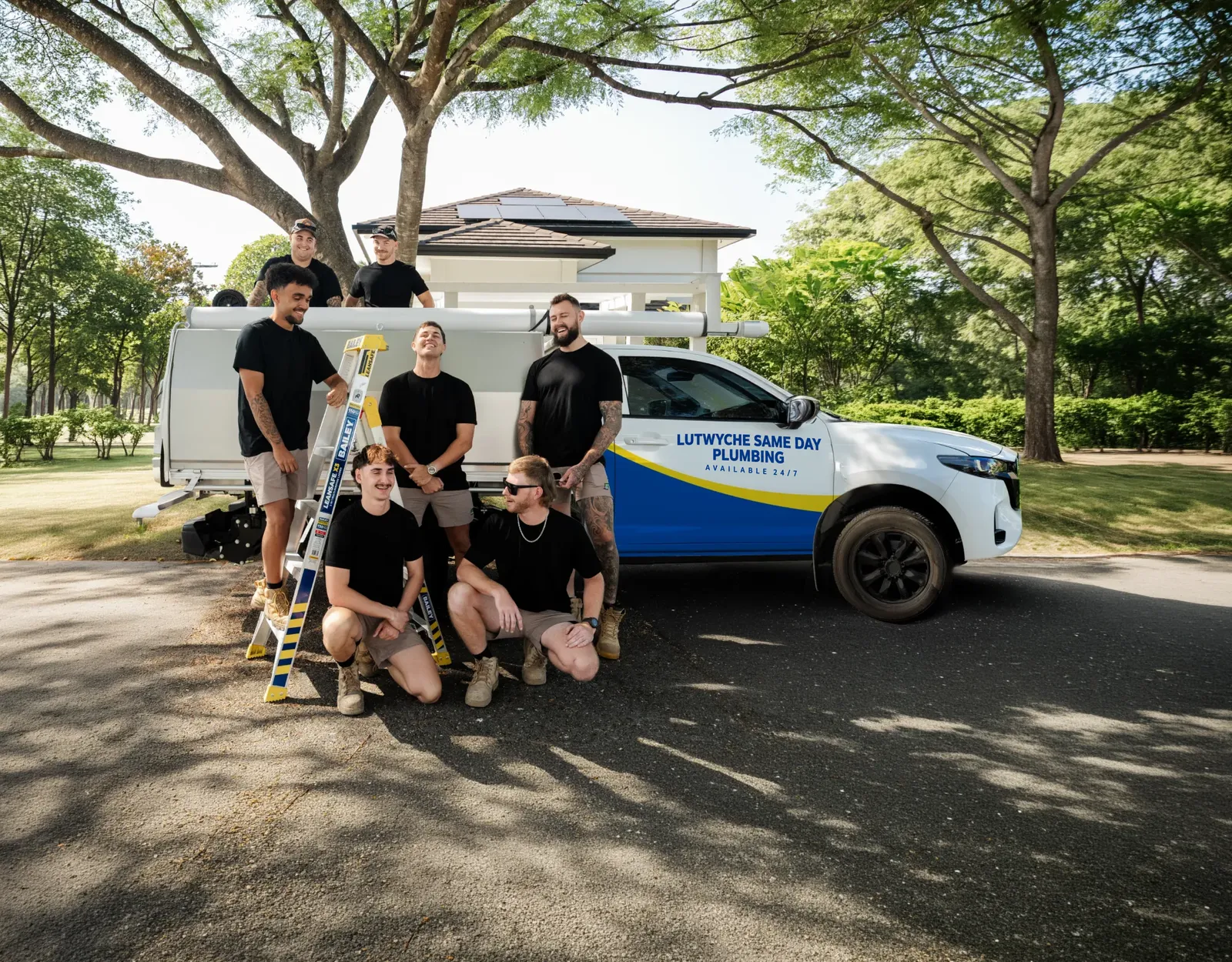
Ring (07) 3523 7172 and tell us what the loo is doing. We will say what it means and when we can come. Our tap and toilet plumbing coverage sets out the full run of fixture work we do.
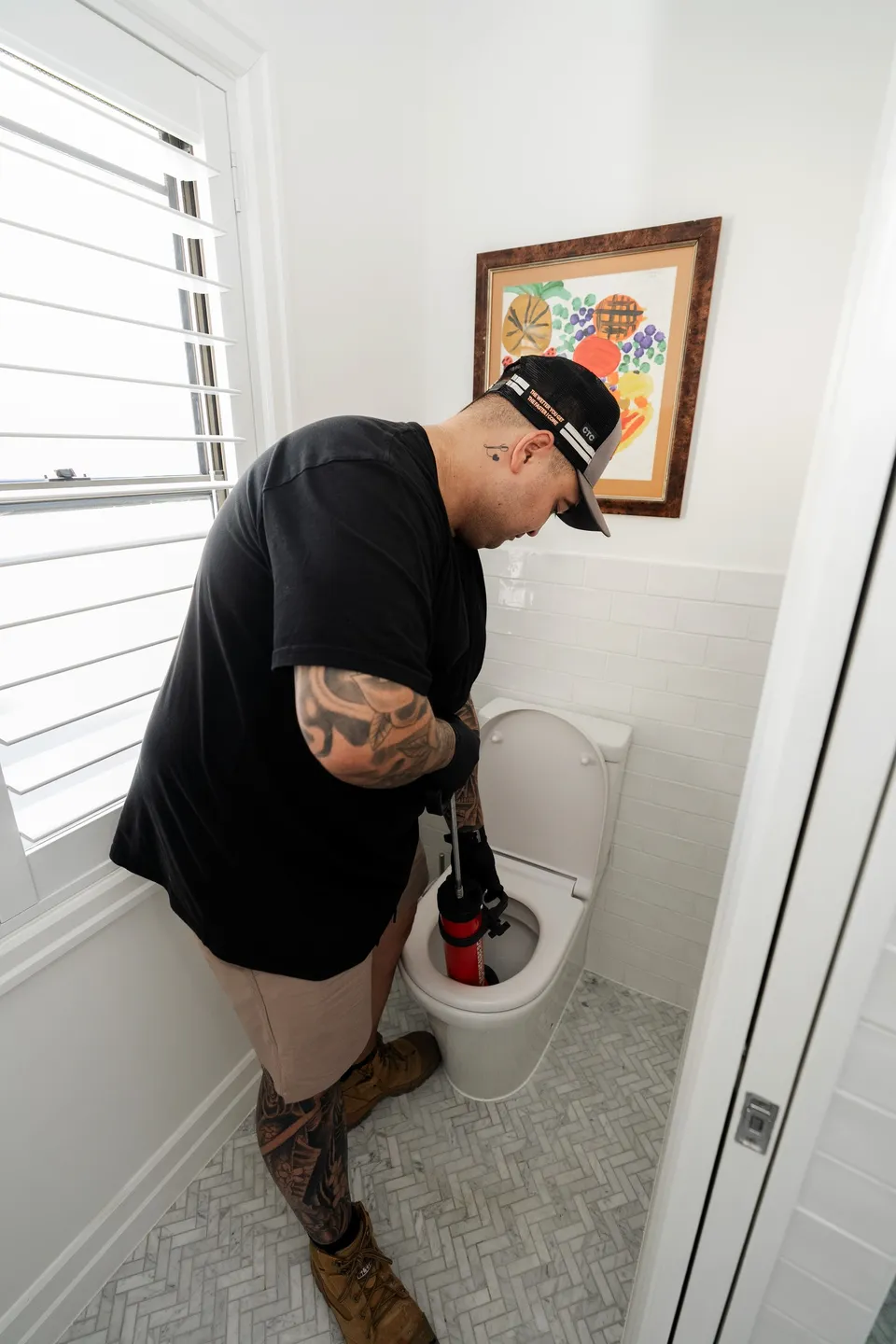
Running, Leaking and Slow-Filling Cisterns
Three parts sit behind nearly every cistern fault: the inlet valve, the outlet valve and the seals, and each one shows up with its own symptom.
The inlet valve
tops the cistern back up after a flush and stops once the float says the level is right. Worn or gummed up, it trickles or never quits.
The outlet valve
holds the stored water until you flush. A tired washer lets it seep through to the pan, so the fill valve keeps topping up and the loo sounds like it never finished.
The float
rides on the water and sets the level. Set at the wrong height, it starves the flush.
A flush that dies halfway
usually means the water sits too low, scale has blocked the jets under the rim, or the button sticks halfway.
A cistern that will not fill
points to the inlet valve, a float riding low, or a stop tap someone left half closed.
For the full diagnosis routine on a loo that never goes quiet, our running toilet guide steps through it end to end.
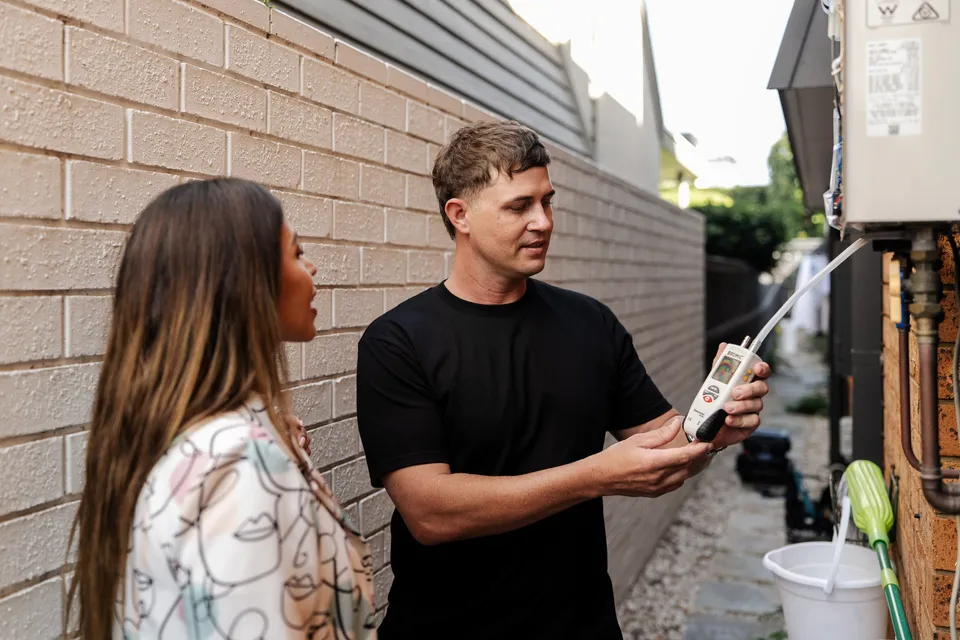
Leaks at the Base, Cistern and Supply Line
A leaking loo gives itself away in three spots: around the cistern, at the floor by the pan, and where the supply joins, and a different part hides behind each.
Water on the floor at the pan
usually comes from the pan connector and its seal, the supply join, or a fine crack in the pan itself.
Water between cistern and pan
means the rubber joining the two has failed.
A drip under the cistern
often comes from the stop tap, sometimes called a mini stop, or from the braided hose feeding it.
A sewer smell
near the pan can mean the rubbers at the drain end have perished or shifted, so we check those and the pan connector.
One home test helps. Drip some food colouring into the cistern and leave it unflushed: colour turning up in the bowl means a leak, and a flush after the check clears it, because ceramic does not hold the stain.
Cistern Washers and the Licence Line
Queensland's rules leave three cistern rubbers to any capable householder: under QBCC guidance, the drop valve washer, a float valve washer or a suction cup rubber counts as unregulated work. Whatever gets swapped, the finished job still has to meet the standards.
Everything else on a loo is minor work: a licensed plumber does it, and the job needs neither a council permit nor a Form 4. Renters get extra cover on top. A toilet that blocks or stops working is classed as an emergency repair under Queensland tenancy law, and the owner or manager must keep the premises in good repair.
A tenant should report a fault as soon as it appears. That keeps a slow weep from turning into a claim.

What Affects the Cost of a Toilet Repair
The price turns on which part failed, whether the porcelain has cracked, and how much room there is around the cistern and its stop tap. After we look at the job, you get the figure as a written fixed quote, and nothing starts before you agree.
Cracked porcelain
is where repairing stops: a split in the body means the cistern or pan gets replaced instead.
Repeated repairs
on one loo can work out dearer over time than a new suite, and we call that one job by job.
A new pan or cistern
needs WaterMark certification plus registration under the Water Efficiency Labelling and Standards scheme, WELS, before it can legally go in.
If the job turns into a full swap, our toilet installation page covers what that involves.
Cisterns in Lutwyche Flats and Cottages
At the last census, outright owners held barely 12 per cent of the suburb's dwellings, so most of our toilet jobs start with a tenant's message rather than a landlord's call. A running cistern wastes water on the owner's bill, so reporting it fast does everyone a favour.
The prewar cottages bring us older pan and cistern styles too, where parts sit deeper and access runs tighter. A cottage on Fuller Street can carry a cistern design generations older than the one in a new apartment block.
Upstairs in those blocks, a weeping cistern drips through the slab into the unit below, so those calls go near the front of the queue. A dripping mixer in the same bathroom often rides along on the visit, and our tap repairs work covers that side of it.
How Your Toilet Repair Visit Runs
- 1

Tell us what's happening
Call (07) 3523 7172 or send the form with a few details about the problem in Lutwyche. A clear description helps us bring the right parts.
- 2

We watch a full cycle
We take the lid off the cistern, watch the fill and the flush through, and test each valve and seal in turn. You hear the cause in plain words before anything comes apart.
- 3
Approve a fixed price
You get a fixed quote before any work starts, with flat-rate pricing and no hidden fees. Nothing goes ahead until you say yes.
- 4

Pay when it's finished
Pay by card or EFTPOS on site once the job's done, or ask about Fix now, pay later.
Plumbing job in Lutwyche?
$0 call-out fees, available 24/7, and same-day where we can.
Toilet Repair Questions From Lutwyche Locals
Call (07) 3523 7172What are the three common faults in a cistern toilet?
The fill side, the flush side and the seals. The inlet valve refills the cistern and stops at the set level; the outlet valve holds that water back until the button goes down; the seals keep every joint dry. Each failure brings its own symptom: slow or no fill, a loo that runs on, or a leak.
Why is my toilet cistern not filling up?
Usually the inlet valve is worn or gummed up, or the float sits too low, or the stop tap is only part open. We check the inlet valve first, since that part does the filling. After looking at the cistern we can say which of the three it is.
What makes a toilet keep running after a flush?
A worn outlet washer, usually. Water slips past it into the pan, so the cistern keeps refilling and the loo never goes quiet. An inlet valve that fails to close does exactly the same.
How much does a toilet repair cost in Lutwyche?
The price turns on which part failed, whether the porcelain has cracked, how easily we reach the cistern and its stop tap, and how many parts get swapped. Once we have seen the job, the figure is set by a fixed quote before any work starts.
Does Urban Utilities cover a leaking cistern?
No, the utility's concealed leak adjustment excludes water lost through a leaking cistern, so that loss sits with the owner. An early repair pays for itself, because a running loo wastes water around the clock.

Ring Us About the Loo TodayWe'll call you back.
Lutwyche Same Day Plumbing keeps loo work simple, from a washer swap to a new cistern.
Ring (07) 3523 7172 and tell us what's wrong. You get $0 call-out fees, a fixed quote before any work starts and same-day where we can, 7 days a week.
To claim your $0 call-out fee, call (07) 3523 7172 today.